
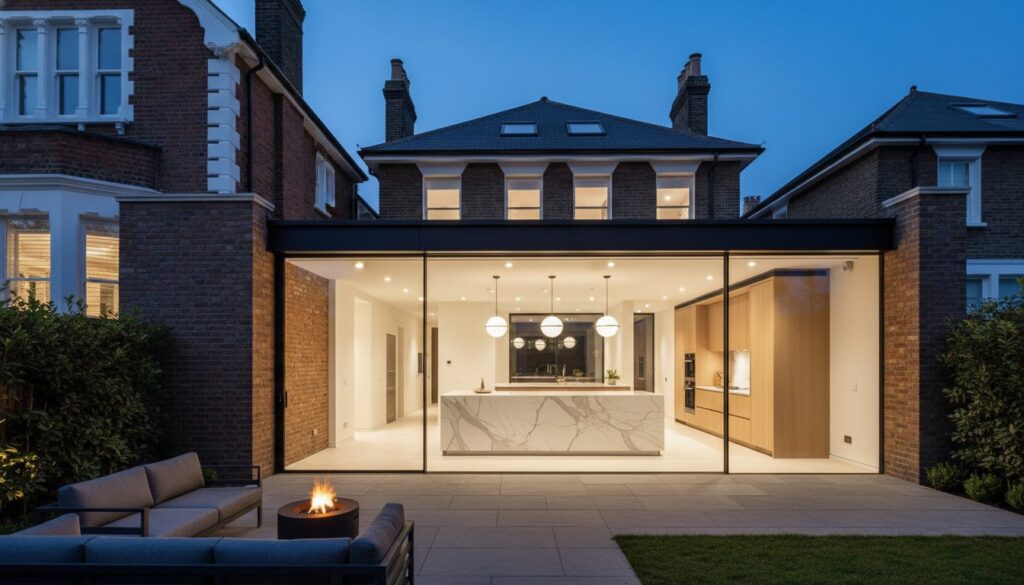
What if your Edwardian home could evolve into a stunning sanctuary that marries historical charm with contemporary flair? Many London homeowners grapple with the limitations of traditional layouts, yearning for modern amenities while holding onto the unique aesthetics that define their properties. This article unveils innovative and stylish edwardian house extension ideas, designed to inspire your next project. You’ll discover how to enhance your living space without sacrificing the elegance of your home’s heritage, as well as gain insights into planning permissions, costs, and timelines. Join us as we explore the possibilities that await your London home in 2026, transforming it into a harmonious blend of the past and the present.
Key Takeaways
- Explore various Edwardian house extension ideas to enhance your London home’s character and functionality.
- Understand the differences between rear and side return extensions to choose the best fit for your space.
- Learn how to integrate modern amenities while preserving the heritage charm of your Edwardian property.
- Familiarise yourself with local planning regulations to ensure a smooth extension process.
- Get inspired by case studies of successful Edwardian extensions that transformed homes across London.
Exploring Edwardian House Extension Styles: A Guide for London Homes
Edwardian houses, known for their charming architectural features and spacious interiors, offer a wealth of opportunities for homeowners looking to expand their living space. In London, where property values are high, utilising edwardian house extension ideas can be a smart investment. This guide will explore popular extension styles, the advantages of different designs, and how to blend traditional features with modern aesthetics.
Types of Extensions: What Works Best?
When considering an extension, homeowners typically gravitate towards several popular styles:
- Single-storey vs. Double-storey Extensions: Single-storey extensions are ideal for expanding kitchen or living areas, allowing for a seamless connection with the garden. Meanwhile, double-storey extensions provide additional bedrooms or bathrooms, significantly increasing property value but typically at a higher cost.
- Open-plan Extensions: This approach merges indoor and outdoor spaces, creating a fluid environment perfect for modern living. Large bi-fold doors can enhance this effect, allowing natural light to flood the interior.
- Conservatories and Garden Rooms: These structures are designed to enhance natural light and provide a tranquil setting for relaxation. They often feature extensive glazing, making them a delightful addition to any Edwardian home.
Incorporating Edwardian Features
One of the hallmarks of a successful extension is the ability to preserve the original character of the Edwardian style. Homeowners should consider the following:
- Preserving Original Architectural Details: Retaining elements such as cornices, ceiling roses, or skirting boards can tie the new extension back to the existing structure.
- Matching Brickwork and Roofing Styles: Using similar materials ensures a cohesive look. Choose bricks that match the existing home and roofing styles that complement the original design.
- Using Period-Appropriate Materials and Finishes: Opt for timber sash windows or traditional joinery to maintain the authentic feel of an Edwardian home.
Examples of successful extensions abound in London, from the elegant side-return extensions that provide much-needed kitchen space to stunning rear extensions that open up the back of the house to the garden. Each project demonstrates how thoughtful design can enhance the beauty and functionality of an Edwardian property.
In conclusion, whether you’re contemplating a single-storey extension or dreaming of a grander double-storey design, the key is to balance modern needs with the timeless elegance of Edwardian architecture. By embracing these edwardian house extension ideas, you can create a home that not only meets your lifestyle requirements but also celebrates the rich heritage of its original design.
Modern Amenities for Edwardian Extensions: Balancing Heritage and Functionality
When considering edwardian house extension ideas, it’s essential to integrate modern amenities that respect the architectural heritage while enhancing functionality. This balance not only preserves the charm of Edwardian homes but also ensures they meet contemporary living standards.
Smart Home Features
Integrating smart technology into your Edwardian extension can significantly elevate the living experience without compromising the aesthetic integrity of your home. Consider the following:
- Smart lighting and heating systems: Install programmable lighting and energy-efficient heating controls that can be adjusted via mobile apps, allowing for tailored comfort and energy savings.
- Automated shading and ventilation: Incorporate motorised blinds and smart windows that adjust automatically based on sunlight, improving energy efficiency while maintaining the home’s character.
- Home security systems: Opt for discreet security solutions, such as smart locks and cameras, designed to blend seamlessly with the Edwardian style, offering peace of mind without detracting from the home’s historic charm.
Energy Efficiency in Edwardian Homes
Energy efficiency is paramount for modern homeowners, particularly in period properties like Edwardian homes. Here are effective strategies:
- Insulation options: Use breathable insulation materials that respect the building’s heritage while significantly reducing heat loss. For example, sheep’s wool insulation maintains the integrity of your walls.
- Upgrading windows: Replace single-glazed windows with double-glazed units that replicate the original design. This not only improves thermal performance but also preserves the facade’s historical accuracy.
- Solar panels: Consider installing solar panels that can be discreetly positioned on the roof. New technologies allow for sleek designs that are less obtrusive, generating renewable energy while enhancing sustainability.
Maximising Space with Clever Storage Solutions
In an Edwardian extension, space can often be at a premium. Employing clever storage solutions can help maximise usability:
- Utilise built-in furniture, such as shelving and benches, that can be integrated into the architecture, creating functional spaces without cluttering the aesthetic.
- Consider under-stair storage or concealed cabinetry that maintains the clean lines and elegant feel typical of Edwardian design.
Designing Functional Layouts for Family Living
Creating a layout that accommodates family life is crucial. Focus on open-plan designs that encourage interaction, while also providing distinct areas for relaxation and productivity. Zones can be defined through furniture arrangements, area rugs, and subtle changes in floor levels, maintaining an open yet defined flow throughout the extension.
Incorporating these elements into your Edwardian extension not only enhances the home’s functionality but also ensures it remains a timeless tribute to its architectural roots. For more inspiration on how to harmonise modern amenities with classic design, explore our offerings.
Planning Your Edwardian House Extension: Key Considerations
Planning an extension for your Edwardian home requires careful consideration of various factors that can greatly influence the outcome of your project. Understanding local planning regulations, obtaining the necessary permissions, collaborating with skilled professionals, and budgeting effectively are all crucial steps in this transformative journey. Here, we delve into these key considerations to help you realise your edwardian house extension ideas.
Local Planning Permissions
Before embarking on your extension, it’s essential to grasp the local planning permissions applicable to Edwardian homes. Many properties in London benefit from permitted development rights, which allow for specific types of extensions without requiring full planning permission. For instance, single-storey extensions of up to 8 metres deep for detached homes may be possible under these rights. However, it’s crucial to determine when formal planning permission is necessary. Typically, you’ll need to seek approval if your extension exceeds these limits or if your home is located in a conservation area.
Navigating the planning application process can be daunting, as each borough in London has its own regulations. It’s advisable to consult the local council’s planning department or their website for detailed guidelines tailored to your specific area.
Working with Professionals
Choosing the right architect is pivotal to realising your vision for an Edwardian house extension. Look for architects with experience in working with period properties, as they will understand the nuances of maintaining the character and integrity of your home while incorporating modern design elements. A proficient architect will not only create a design that meets your aesthetic desires but also one that complies with planning regulations.
Builders play a significant role in the planning process as well. Their expertise can provide invaluable insights into the feasibility of your designs and the practicalities of construction. When communicating your ideas, clarity is key. Consider creating a mood board or a portfolio of inspiration images that encapsulate your desired style and functionality.
Budgeting for Your Extension Project
Budgeting is a critical aspect of planning your Edwardian house extension. Costs can vary widely depending on the scale of the project, materials used, and professional fees. On average, homeowners should anticipate spending between £1,200 and £2,000 per square metre for a quality extension. It’s wise to allocate an additional 10-20% of your budget for unforeseen expenses, ensuring that your project remains financially viable.
By thoroughly understanding local regulations, working closely with professionals, and managing your budget wisely, you can successfully bring your edwardian house extension ideas to life, enhancing both the beauty and functionality of your London home.
Case Studies: Successful Edwardian Extensions in London
Horns Construction has successfully transformed numerous Edwardian homes across London, showcasing innovative edwardian house extension ideas that blend historical charm with modern functionality. Here, we explore a selection of exemplary projects, their challenges, and the remarkable transformations achieved.
Transformations to Inspire
One notable project involved a terraced Edwardian house in Islington. The homeowners sought to create a spacious open-plan kitchen and dining area. The challenge lay in maintaining the character of the original structure while expanding the living space. Horns Construction employed a glass rear extension, allowing natural light to flood the area while preserving the home’s classic façade. The result was a seamless integration of old and new, offering both aesthetic appeal and practicality.
Another inspiring example is a Victorian conversion in Clapham. The owners wanted to convert an underutilised loft space into a master bedroom with an en-suite bathroom. The challenge was to ensure structural integrity while adhering to local regulations. By utilising bespoke timber framing and soundproofing materials, Horns Construction created a luxurious retreat that met the homeowners’ needs without compromising on quality. The before and after visuals reveal a striking transformation that is both elegant and functional.
- Islington Project: Glass extension for a bright, open feel.
- Clapham Loft Conversion: Bespoke framing for a soundproof, luxurious bedroom.
Client Experiences
Feedback from clients highlights their satisfaction with the enhancements made to their homes. One couple from Islington expressed their delight at how the new extension has transformed their daily lives, providing a space for family gatherings and entertaining friends. They noted the seamless flow between the kitchen and garden, creating a perfect setting for summer barbecues.
Clients often mention how their evolving needs were met through these extension projects. For instance, a family in Clapham found that the loft conversion not only provided them with a personal sanctuary but also increased the overall value of their home by approximately 15%. Clients recommend that future homeowners consider their long-term needs and invest in quality materials to ensure longevity.
Key takeaways from these projects include the importance of thoughtful design, the use of high-quality materials, and the value of professional guidance throughout the process. Each project serves as a testament to the potential of Edwardian house extensions in enhancing both lifestyle and property value.
For more inspiration and to explore how your home can be transformed with exquisite design, visit Horns Construction.
Getting Started with Your Edwardian House Extension
Embarking on an extension project for your Edwardian home can be an exciting yet intricate journey. To ensure a seamless construction process and a successful transformation of your living space, it is essential to take the right steps before you start. This section will guide you through the initial planning stages, budgeting and timeline expectations, and the importance of creating a compelling vision for your new space.
Initial Planning Steps
The first step in your extension project is to set a realistic budget. Consider all potential costs, such as materials, labour, and additional permits, which can add up quickly. An average Edwardian house extension in London can range from £1,200 to £2,000 per square metre, depending on the complexity and quality of the materials used.
Next, immerse yourself in research. Explore various Edwardian house extension ideas that resonate with your aesthetic preferences. Websites, design magazines, and social media platforms can provide a wealth of inspiration. Once you have a clear vision, engage with local builders and architects who are familiar with Edwardian architecture. Their expertise will be invaluable in ensuring that your extension complements your home’s existing features.
Budgeting and Timeline Expectations
When it comes to budgeting, it’s crucial to factor in unexpected expenses. A contingency fund of around 10-15% of your overall budget is advisable to cover unforeseen issues that may arise during construction. For instance, hidden structural problems or necessary changes in design can significantly impact your costs.
In terms of timelines, it’s essential to have realistic expectations. A typical Edwardian house extension can take anywhere from 12 to 20 weeks from planning to completion, depending on the scale and complexity of the project. Beginning with a thorough design phase, including obtaining planning permission, can take up to several months. Therefore, starting early and allowing ample time for each phase ensures a smoother process.
Creating a vision for your new space is more than just aesthetics. Consider how the extension will function within your lifestyle. Think about the purpose of the extension—will it be a kitchen, a study, or a family room? This clarity will guide your design choices and help ensure that your extension meets your practical needs while enhancing the overall beauty of your Edwardian home.
Embrace the Future of Your Edwardian Home
Transforming your London home with inspired edwardian house extension ideas opens a world of possibilities. By carefully balancing heritage aesthetics with modern amenities, you can create a space that meets your lifestyle needs while respecting the architectural integrity of your property. As you’ve seen, planning is crucial; understanding key considerations ensures your project runs smoothly and successfully.
At Horns Construction, we bring over 20 years of experience specialising in Edwardian properties, ensuring client satisfaction and successful project delivery every step of the way. If you’re ready to embark on this transformative journey, contact Horns Construction for a bespoke quote on your Edwardian extension! Let us help you craft a space that reflects your unique style and enhances your home’s value.
Frequently Asked Questions
What are the common types of extensions suitable for Edwardian houses?
Common types of extensions suitable for Edwardian houses include rear extensions, side return extensions, and loft conversions. Rear extensions often create open-plan living spaces, while side return extensions maximise narrow gaps, enhancing kitchen areas. Loft conversions can transform unused attic spaces into functional rooms, preserving the home’s character while adding valuable square footage.
Do I need planning permission for an Edwardian house extension in London?
Yes, in most cases, you will need planning permission for an Edwardian house extension in London. However, certain smaller extensions may fall under permitted development rights, allowing you to extend without formal approval. It’s essential to check with your local planning authority to understand specific requirements and ensure compliance with regulations.
How can I ensure my extension maintains the character of my Edwardian home?
To maintain the character of your Edwardian home, choose materials and architectural styles that complement the original design. Use traditional bricks, tiles, and period-appropriate windows. Consulting with an architect experienced in Edwardian architecture can help ensure your extension harmonises with the existing features, preserving the home’s historical integrity.
What are the average costs for extending an Edwardian house in London?
The average cost of extending an Edwardian house in London ranges from £1,500 to £2,500 per square metre, depending on the type of extension, materials used, and location. For a typical rear extension of around 20 square metres, you might expect to pay between £30,000 and £50,000. Always obtain several quotes to ensure you’re getting a fair price.
How long does it typically take to complete an extension project?
The duration of an extension project for an Edwardian house typically ranges from 8 to 16 weeks, depending on the complexity and size of the build. Factors such as planning approvals, the weather, and contractor availability can affect timelines. Proper planning and communication with your builders can help keep the project on track.
Can I incorporate modern technology into my Edwardian extension?
Absolutely, incorporating modern technology into your Edwardian extension is not only possible but also beneficial. You can integrate energy-efficient heating systems, smart home technologies, and high-quality insulation while ensuring the design remains sympathetic to the original architecture. This blend of modernity and tradition can enhance comfort and functionality without compromising aesthetic appeal.