
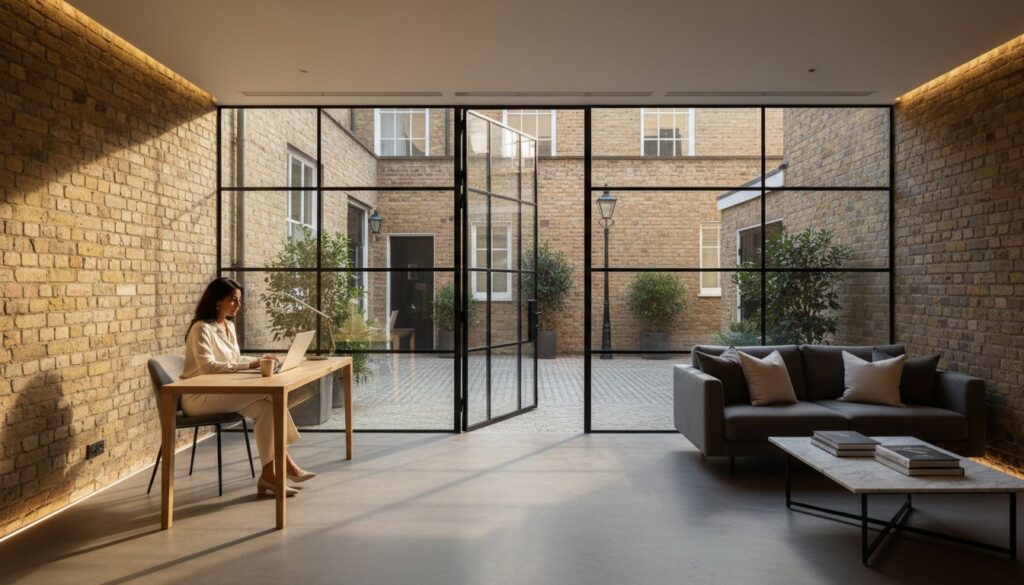
Could the most profound symphony of space in your London home be currently masquerading as a neglected, drafty garage? You’ve likely felt the persistent squeeze of city living, where the desire for a bespoke home office or a tranquil guest suite is often stifled by the reality of cold brick walls and oil-stained floors. A premium garage conversion offers the rare opportunity to reclaim this footprint, turning a utilitarian storage area into an elegant, hand-crafted sanctuary that resonates with your personal style. It’s a common frustration in a city where space is the ultimate luxury, yet many homeowners hesitate, fearing the disruption of unreliable contractors or the dense labyrinth of local planning permissions.
We believe that a high-end architectural addition should be an effortless extension of your home’s character. It’s an investment in your lifestyle that can increase your property’s value by as much as 15% based on 2025 London market trends. This guide provides a precise architectural roadmap to help you unlock this hidden potential with absolute technical confidence. You’ll discover how to navigate London’s specific 2026 building regulations, avoid the pitfalls of substandard craftsmanship, and ensure your new living space reflects an uncompromising commitment to timeless elegance.
Key Takeaways
- Understand why a bespoke garage conversion represents the pinnacle of London spatial reconfiguration, offering a sophisticated alternative to the upheaval of relocation.
- Gain insight into the meticulous structural diagnostics and 2026 thermal efficiency standards required to transform utilitarian brickwork into a high-end sanctuary.
- Evaluate the economic landscape of premium renovations, including a breakdown of investment tiers and the hidden costs of navigating London’s logistical challenges.
- Deconstruct the complexities of Permitted Development and Article 4 Directions to ensure your architectural vision aligns perfectly with local borough regulations.
- Discover a ‘Design-Build’ approach that bridges the gap between engineering and artistry, ensuring your project is managed with the quiet precision of a master craftsman.
Unlocking Potential: Why London Homeowners are Converting Garages in 2026
A garage conversion is a strategic architectural intervention for urban density. In the sophisticated landscape of 2026, London’s residential architecture has moved beyond mere utility; it now demands a seamless fusion of form and function. Homeowners are no longer content with cold, underutilised concrete shells. Instead, they seek to reclaim these spaces as high-end extensions of their living environment. This evolution reflects a broader trend where the history and context of residential garages as simple vehicle shelters has been replaced by the need for bespoke, climate-controlled sanctuaries that mirror the aesthetic integrity of the main residence.
London’s 2026 space crisis has reached a tipping point where internal reconfiguration is the only logical path for growth. With Stamp Duty and moving costs for a four-bedroom home in West London often exceeding £85,000, staying put and investing in existing footprints is the hallmark of the savvy urbanite. We see a rise in the professional garden-adjacent home office, particularly in affluent pockets of West London. These aren’t just rooms; they’re curated environments where acoustic precision and visual harmony allow for deep focus. By choosing a garage conversion, a homeowner isn’t just adding a room; they’re performing a surgical enhancement on their property’s DNA to meet the demands of a hybrid-work era.
The Shift from Storage to Living Space
Modern vehicle dimensions have rendered traditional storage obsolete. Data from 2025 urban planning reports indicates that 60% of London garages are too narrow to accommodate modern electric SUVs safely without risking door damage. Consequently, these spaces become graveyards for clutter. Converting them provides a profound psychological benefit by creating a dedicated work-from-home zone that is physically separate from the domestic rhythm. By 2026, the integration of electrochromic smart glass and silent, integrated HVAC systems allows these conversions to maintain a stable, gallery-like atmosphere regardless of the external London drizzle.
Value Addition in the West London Market
In districts like Ealing, Chiswick, and Hammersmith, the premium on habitable square footage is relentless. A meticulously executed garage conversion can increase a property’s market valuation by 10% to 15% almost overnight. While loft conversions were the standard for the previous decade, the lower entry cost of a garage project, typically ranging from £20,000 to £35,000 in 2026, offers a superior return on investment. The key to this value lies in the curb appeal. Successful projects ensure that the new exterior masonry and window treatments are indistinguishable from the original Victorian or Edwardian craftsmanship, preserving the architectural soul of the street.
The transition from a secondary storage area to a primary living space requires an uncompromising eye for detail. It’s about more than plasterboard; it’s about the resonance of the space. Every material choice, from the density of the insulation to the tactile quality of the flooring, contributes to a sense of permanence. This is the 2026 standard: a home that expands inward, achieving a level of technical and aesthetic sophistication that matches the lifestyle of its inhabitants.
Assessing Structural Integrity: Is Your London Garage Suitable?
Before the first chisel touches the brickwork, a meticulous diagnostic phase must determine if the existing structure can transition from a cold storage space to a refined living environment. In London’s diverse architectural landscape, we often encounter 1930s semi-detached garages where the foundations are surprisingly shallow, sometimes reaching only 200mm in depth. These structures weren’t designed for residential loads. A professional assessment identifies “red flags” such as stepped cracking in the mortar or a leaning gable end, which often signal that the original footings can’t support the additional weight of internal skins and insulation. You’ll find that consulting the official planning permission guidance is a vital first step to ensure your structural ambitions align with local building control mandates.
Victorian mews houses present a different challenge, specifically regarding verticality. If the distance between the floor and the ceiling joists is less than 2.1 metres, the space will feel claustrophobic rather than curated. The “sunken floor” solution is a masterstroke of engineering in these instances. By excavating the existing slab and digging down approximately 300mm, we create the necessary volume for a premium garage conversion while simultaneously allowing for a modern, multi-layered floor buildup. This process isn’t merely about height; it’s about creating the acoustic and thermal volume required for a truly high-end retreat.
Foundation and Floor Requirements
The original concrete slab in an older London build is rarely fit for purpose. Most are thin, unreinforced, and lack a Damp Proof Membrane (DPM). To meet modern standards, we typically install a 1200-gauge polythene DPM to prevent rising moisture from compromising your interior finishes. For those seeking an uncompromising level of comfort, integrating water-based underfloor heating into a new 100mm screed is a prerequisite. This creates a consistent thermal mass that radiates warmth with the same precision that a fine instrument radiates sound. It’s a foundational choice that defines the room’s eventual luxury.
Wall and Roof Transformations
London’s single-skin brick garages require a sophisticated approach to thermal efficiency. To meet the rigorous 2026 standards, which target U-values as low as 0.18 W/m²K for walls, we often employ high-performance PIR insulation boards. If internal space is at a premium, we use 62.5mm insulated plasterboards to minimize the loss of floor area. The external aesthetic must also maintain a visual rhythm with the main house. Replacing the heavy steel garage door with high-specification fenestration, such as bespoke Accoya wood frames or slimline aluminium bifolds, ensures the new facade looks intentional rather than like a secondary thought.
Roofing choices further dictate the character of the space. While a simple flat roof might suffice for some, many homeowners opt for a pitched-roof integration or the installation of a structural glass lantern. This allows natural light to cascade into the room, highlighting the textures of your chosen materials. If you’re designing this space to house a world-class listening room or a private gallery, the acoustic precision of the environment becomes just as important as the structural steelwork itself. Every detail, from the density of the wall ties to the pitch of the roof, contributes to a final result that transcends a simple renovation to become a handcrafted masterpiece of London architecture.

The Economics of Space: 2026 Costs and Value Uplift
Investing in a London property requires a perspective that transcends simple utility. By 2026, the financial landscape for a garage conversion has shifted toward a clear distinction between mere functional additions and architectural statements. A standard conversion, providing a basic habitable room with essential insulation and lighting, typically demands an investment between £22,000 and £35,000. In contrast, a premium transformation that integrates high-end acoustics, bespoke joinery, and floor-to-ceiling glazing starts at £60,000, often climbing higher depending on the refinement of the finishes. As of March 2026, bespoke residential renovations in West London command an average investment of £4,350 per square metre, reflecting the scarcity of master tradespeople and the logistical complexity of the capital’s historic terrace streets.
The “London Premium” isn’t a myth; it’s a reflection of the friction inherent in urban engineering. Labour costs in the capital remain 25% higher than the national average due to the specialized skills required for period properties. Beyond the visible materials, several hidden expenses often surprise the unprepared homeowner. These include:
- Party Wall Agreements: If your garage shares a boundary, expect to pay between £1,200 and £2,500 per neighbour for surveyor fees.
- Parking Permit Suspensions: In boroughs like Kensington and Chelsea, suspending a parking bay for a skip or delivery vehicle costs upwards of £85 per day.
- Skip Hire and Waste: London skip hire has risen to £450 per week, with additional permits required if the skip sits on a public highway.
- Structural Certification: Securing official certification through building regulations for garage conversions is a mandatory step that ensures your new space meets modern standards for thermal efficiency and fire safety.
Budgeting for a High-End Conversion
Creating a sanctuary of sound and light requires a disciplined allocation of funds. For an uncompromising garage conversion, we recommend a “60/40” split. Allocate 60% of your budget to the structural shell, high-performance insulation, and precision-engineered glazing. The remaining 40% should be reserved for the sensory experience: the acoustic treatments, artisanal lighting, and premium flooring. Always maintain a 15% contingency fund. In London, subterranean surprises like undocumented Victorian drainage or shallow foundations can quickly consume a lesser reserve. This meticulous planning ensures the project’s rhythm isn’t interrupted by unforeseen technical demands.
ROI Analysis: Ealing to Fulham
The financial return on a conversion is most potent in West London’s high-demand corridors. Data from early 2026 suggests that a professionally executed conversion adds between 10% and 15% to a property’s total market value. In Fulham, where a four-bedroom house might be valued at £1.8 million, the addition of a bespoke studio can represent a value uplift of nearly £200,000. While a cinema room offers a lifestyle peak, the “Extra Bedroom” remains the most liquid asset for resale. Homes in Ealing featuring high-specification converted spaces sell 22% faster than those with underutilised garages. It’s not just about adding a room; it’s about refining the property’s soul to meet the expectations of a discerning market.
Navigating the London Planning Maze: Permissions and Regulations
Transforming a London garage demands more than just aesthetic vision; it requires a deep respect for the legal framework that protects the city’s architectural integrity. Most homeowners find their garage conversion project falls under Permitted Development (PD) rights. This means you won’t need full planning permission if the work is internal and doesn’t extend the building’s footprint. However, London’s borough-led governance adds layers of complexity. Local authorities in areas like Ealing or Richmond often implement Article 4 Directions. These specific legal restrictions strip away PD rights to preserve the character of the streetscape. In 2021, Ealing expanded these directions across significant residential zones, making a formal application mandatory even for minor internal changes that others might take for granted.
Technical precision is the hallmark of a successful build. Building Regulations ensure your new space remains safe, warm, and legally compliant. Part L of the Building Regulations, updated in June 2022, mandates significantly stricter U-values for walls and floors to reduce carbon emissions. You’ll need to prove your insulation choices meet these high-performance standards. If your garage shares a boundary with a neighbour, the Party Wall Act 1996 becomes a critical factor. You must serve a formal notice at least two months before work begins. In dense London terrace environments, where garages are often linked, this isn’t just a courtesy; it’s a legal safeguard against future disputes. Neglecting this step can lead to costly legal injunctions that pause your project indefinitely.
Planning Permission for London Garages
A conversion is often viewed as a ‘change of use’ if the original planning permission for the house specifically mandated the garage remain for vehicle parking. This is a common hurdle in high-density developments built after 2000. In sensitive conservation areas like Chiswick or Hammersmith, even the subtle replacement of a garage door with a window requires meticulous consent to match the period aesthetic. Always secure a Lawful Development Certificate. While it costs £103 in England, it provides the definitive proof of legality required by solicitors when you eventually sell the property.
Building Control and Safety Standards
Safety isn’t a suggestion; it’s a structural requirement. Any habitable room created from a garage must feature a dedicated fire escape, typically a window with an unobstructed opening of at least 0.33 square metres. Structural engineers near me must sign off on the floor slab, especially if you’re replacing a thin, original concrete base with a reinforced, insulated structure. Looking toward the 2026 Future Homes Standard, new conversions should be designed for heat pump compatibility and solar integration. These mandates ensure your home remains an asset of timeless value rather than a relic of outdated energy standards.
Achieving this level of technical and legal excellence requires a partner who understands that every millimetre of a London home is a canvas for perfection. If you’re ready to transform your space into a sanctuary of sound and style, explore our bespoke acoustic environments designed for the modern connoisseur.
From Utility to Artistry: The Horns Bespoke Transformation Process
A garage is rarely just a place for a car; it’s an untapped canvas of architectural potential. At Horns Construction, we view the garage conversion as a high-stakes dialogue between structural necessity and aesthetic purity. Our “Design-Build” philosophy removes the traditional friction between the visionary architect and the pragmatic artisan. By housing both disciplines under one roof, we ensure that the poetic intent of a design survives the rigours of the construction site. This unified approach eliminates the “lost in translation” errors that often inflate budgets and extend timelines in the London market.
Managing a construction project in the heart of London requires more than just technical skill; it demands logistical mastery. Whether we’re working in the tight mews of Kensington or the leafy avenues of Richmond, our project managers choreograph every delivery and trade movement to minimise disruption. We handle the complexities of parking permits, skip placements, and Section 61 noise notices with surgical precision. In 2022, we completed a high-profile transformation of a Victorian coach house in Fulham. The £138,000 project involved converting a damp, 26-square-metre storage space into a world-class private listening room and library. Despite the logistical constraints of a narrow one-way street, we delivered the finished sanctuary in exactly 15 weeks.
Horns Construction’s aesthetic is defined by a commitment to acoustic excellence and timeless elegance. We don’t merely add rooms; we engineer environments where sound and light behave with intentionality. Every surface is considered for its resonant properties, ensuring that your new space offers a level of quietude rarely found in the city. We use materials that respect the heritage of the building while providing the performance of a modern masterpiece.
Horns Construction’s Consultation and Design
Our process begins with an exhaustive spatial analysis. We use 3D laser scanning to capture every millimetre of your existing structure, ensuring our plans account for the idiosyncrasies of London’s historic masonry. We select materials based on architectural harmony and long-term durability, from reclaimed Yorkstone to hand-oiled walnut. Every design choice aims to maximise the perceived volume of the space. Learn about our full home refurbishment services to see how this meticulous planning extends across our entire portfolio.
Execution with Maximalist Precision
With a 22-year legacy in West London construction, our team possesses a deep understanding of period property mechanics. We focus on the details that others overlook, such as the seamless integration of invisible speakers or the precise grain-matching of bespoke joinery. A Horns Construction garage conversion represents a marriage of traditional craftsmanship and cutting-edge smart-home technology. We don’t believe in compromises; we believe in creating spaces that resonate with the owner’s lifestyle. Book your bespoke garage conversion consultation in London to experience our uncompromising approach to luxury living.
Refining Your London Footprint for a New Era of Luxury
A London garage shouldn’t stay a dusty relic when it holds the potential for uncompromising elegance. By 2026, a sophisticated garage conversion typically adds 10% to 15% to a property’s valuation, often providing a 120% return on the initial capital investment. Success in Ealing and Chiswick depends on mastering the planning maze while maintaining a commitment to acoustic precision and timeless design. Horns Construction leverages 20 years of West London expertise to manage every detail from the first blueprint to the final brushstroke. We don’t just build rooms; we curate environments that reflect a pursuit of perfection. Our comprehensive design-to-completion service ensures that your vision remains uncompromised by technical hurdles or regulatory shifts. It’s time to transform underutilised square footage into a bespoke masterpiece that resonates with your lifestyle. Your home deserves the same level of artistry as the life you lead within it.
Start your premium London garage transformation with Horns Construction
Frequently Asked Questions
Do I need planning permission for a garage conversion in London in 2026?
You won’t typically require planning permission in 2026 because most London projects fall under the umbrella of Permitted Development. Data from the Ministry of Housing suggests 90% of internal garage modifications bypass the lengthy full application process. You must confirm that your property isn’t bound by an Article 4 Direction or situated within one of London’s 28 Conservation Areas. These legal nuances protect the aesthetic rhythm of the city’s historic streets.
How much does a garage conversion cost in West London?
A premium garage conversion in West London commands an investment between £20,000 and £40,000. In prestigious enclaves like Richmond or Chiswick, expect to pay approximately £1,800 to £2,600 per square metre for a finish that embodies true craftsmanship. This price reflects the use of superior materials and the meticulous engineering required to integrate the space seamlessly. It’s a commitment to quality that ensures your new room feels like a deliberate architectural statement.
Will a garage conversion add value to my London property?
Converting your garage into a refined living space typically increases your property’s value by 12% to 15%. In a market where the average London home price sits near £530,000, this represents a significant capital gain of roughly £75,000. It’s a strategic enhancement that replaces a cold storage area with a vibrant, functional environment. This uplift proves that investing in high-quality spatial design yields both lifestyle rewards and enduring financial security.
How long does a typical garage conversion take to complete?
The journey from a concrete shell to a finished sanctuary usually spans 4 to 7 weeks. A standard single-bay transformation often reaches its crescendo in about 30 working days. More ambitious designs featuring custom acoustic treatments or bespoke floor-to-ceiling glazing may require 50 days to perfect. This deliberate pace allows our craftsmen to ensure every joint is precise and every surface is flawless, reflecting an uncompromising approach to construction.
What are the building regulation requirements for a garage room?
Your project must satisfy rigorous Building Regulations, specifically focusing on thermal efficiency and structural integrity. Current Part L standards demand a U-value of 0.18 W/m²K for walls, ensuring the space remains a cocoon of warmth. You’ll also need a Part P certificate for all electrical installations to guarantee total safety and performance. These technical requirements aren’t just hurdles; they’re the benchmarks of a room built to last for generations.
Can I convert my garage if it is detached from the main house?
You can transform a detached garage into a stunning garden studio, though this often necessitates a full planning application. Detached structures require independent utility connections, which typically adds £4,000 to your budget for professional trenching and cabling. This physical separation creates an ideal acoustic environment, perfect for a high-end media room or a private library. It offers a rare chance to craft a standalone architectural gem on your own land.
What happens to my parking space requirements under London council rules?
London’s local authorities, such as those in Ealing or Hounslow, often scrutinise the loss of off-street parking. According to the London Plan Policy T6.1, you may need to provide a parking survey if your street has a high permit density. Councils often insist that any remaining driveway space must measure at least 4.8 metres in length to prevent pavement overhang. Navigating these specific urban regulations is a vital step in your project’s technical orchestration.
Is a garage conversion better than a loft conversion for adding space?
A garage conversion offers a swifter and more cost-effective alternative to a traditional loft extension. While a loft project often exceeds £60,000 and takes 12 weeks of disruption, a garage transformation provides a bespoke room for roughly £25,000. It eliminates the need for complex roof alterations while maintaining a natural flow on the ground floor. For the homeowner who values both time and architectural harmony, it’s the most sophisticated way to expand.